Scott 3200A Tailwheel – Fully Rebuilt: Durable Tailwheel Steering and Landing Gear Solution
Scott 3200A Tailwheel – Fully Rebuilt: Durable Tailwheel Steering and Landing Gear Solution
Blog Article
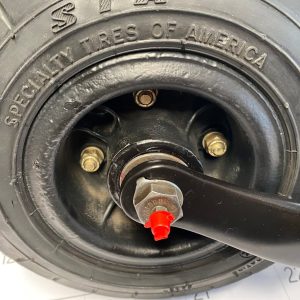
The Scott 3200A Tailwheel – Fully Rebuilt provides aircraft owners, pilots, maintenance facilities, and restoration specialists with a renewed tailwheel solution developed for compatible conventional-gear aircraft. A fully rebuilt description should identify which bearings, bushings, springs, steering components, seals, fasteners, wheel parts, and wear items were replaced or retained.
The Scott 3200A Tailwheel Assembly should be matched with the aircraft tail spring, mounting arrangement, steering linkage, operational weight, and approved configuration. The actual condition of a Scott Tailwheel Assembly should be determined through appropriate inspection rather than cosmetic appearance alone.
A worn or incorrectly configured Aircraft Tailwheel Assembly can contribute to shimmy, poor tracking, binding, excessive swivel, uneven tire wear, or difficult maneuvering. A properly maintained General Aviation Tailwheel can support predictable directional control and long-term serviceability.
Whether the project involves a Tailwheel Steering Assembly, Aircraft Ground Handling Tailwheel, or Scott 3200 Series Tailwheel, professional installation remains important.
Key Benefits of a Rebuilt Scott 3200A
A fully rebuilt Scott 3200A may offer practical value when its identity, condition, rebuild scope, and aircraft compatibility are confirmed. Poor ground handling can result from issues outside the tailwheel, including incorrect chain tension, fatigued springs, loose mounting hardware, bent tail springs, or misalignment.
Benefits of the Scott 3200A Tailwheel Assembly
The assembly is intended to withstand repeated ground operation when installed, adjusted, lubricated, and serviced correctly. Detailed documentation gives buyers a stronger basis for comparing available Scott 3200A Tailwheel Assemblies.
Professional Scott Tailwheel Rebuilding
Final adjustment and functional testing should confirm that the Scott Tailwheel Assembly operates consistently. Buyers should distinguish between cleaned, serviced, repaired, inspected, overhauled, and fully rebuilt descriptions.
Aircraft Tailwheel Assembly Maintenance
The assembly carries tail weight while managing runway irregularities, side loads, repeated landing cycles, and directional forces. Incorrect linkage tension can cause delayed steering, harsh engagement, restricted movement, or unnecessary component loading.
General Aviation Tailwheel Applications
Each operating environment places different demands on the tire, wheel, fork, bearings, steering mechanism, hardware, and lubrication. Training aircraft may accumulate frequent taxi and landing cycles, while bush airplanes may experience greater surface irregularity and impact loading.
Choosing an Aircraft Tailwheel
The assembly remains part of a complete ground-handling system that also includes rudder control, brakes, main gear, and pilot technique. Abnormal wear may indicate misalignment, bearing problems, repeated shimmy, poor adjustment, or use on abrasive surfaces.
Choosing a Taildragger Tailwheel
Taildragger pilots coordinate rudder, brakes, power, and tailwheel input to maintain ground stability. Taildragger operation may expose the assembly to side loads during crosswind taxiing, landing corrections, tight turns, and directional-control events.
Maintaining an Aviation Tailwheel System
Every component influences how steering input reaches the wheel and how operational loads return to the aircraft. Left and right steering connections should be inspected for matching condition and correct installation.
Choosing a Tailwheel Steering Assembly
A professional rebuild should address the complete Tailwheel Steering Assembly rather than only visible exterior parts. Steering arms should be inspected for bending, cracking, corrosion, elongated holes, and wear at attachment points.
Choosing a Ground Handling Tailwheel
Its mechanical condition influences how easily the aircraft can turn and track on the ground. Towbars and handling equipment should match the aircraft and remain clear of vulnerable tailwheel components.
Scott 3200 Series Tailwheel Heritage
Historical popularity does not remove the need for exact aircraft compatibility and installation here verification. Buyers should verify markings, mounting dimensions, steering-arm arrangement, wheel configuration, and included components.
Benefits of a Heavy-Duty Aircraft Tailwheel
Professional review remains necessary before fitting a Heavy-Duty Aircraft Tailwheel. Mud, dust, gravel, and water can shorten inspection and lubrication intervals.
Choosing Tailwheel Aircraft Parts
Every component should match the intended Scott assembly and aircraft installation. A weak spring, worn bushing, rough bearing, damaged pawl, or incorrect fastener may create movement throughout the mechanism.
Aircraft Tailwheel Directional Control
A rebuilt steering mechanism should be evaluated for smooth, consistent, and repeatable operation. Ground loops, abrupt turns, crosswind corrections, rough surfaces, and towing events can place side loads on the steering system.
Installing a Replacement Aircraft Tailwheel
Correct identification reduces compatibility problems, return costs, and installation delays. Rebuild documentation should accompany the assembly when available.
Buying General Aviation Landing Gear Parts
General Aviation Landing Gear Parts include tailwheels, nose gear components, main gear assemblies, wheels, tires, brakes, bearings, springs, steering parts, and mounting hardware. Used or rebuilt landing gear parts should be listed with accurate identification, condition, rebuild history, package contents, and available documentation.
Inspecting a Fully Rebuilt Scott 3200A
The seller should disclose which parts were replaced, which components were retained, and whether repairs or limitations remain.
- Determine whether the sale includes the tire, wheel, axle, bearings, steering springs, chains, mounting bolts, fittings, and rebuild records.
- Do not treat clean paint, fresh grease, or bright hardware as proof of a complete mechanical rebuild.
- Retain all purchase and rebuild records with the appropriate aircraft maintenance information.
Commissioning a Rebuilt Scott 3200A
Installation should be completed by appropriately qualified personnel familiar with conventional-gear aircraft and mechanical tailwheel steering systems. Swivel engagement, release, centering, and directional action should operate consistently.
A post-installation inspection can confirm hardware security and reveal early movement marks.
Routine Tailwheel Inspection and Service
Long-term maintenance includes lubrication, tire inspection, bearing review, steering-link checks, cleaning, fastener inspection, spring evaluation, and monitoring of ground-handling performance. Pilots should inspect the tailwheel before operation for tire damage, loose hardware, bent parts, steering-link condition, contamination, corrosion, and visible misalignment.
Suitable lubricant should be applied at the correct locations without attracting unnecessary contamination.
Final Thoughts on the Rebuilt Scott 3200A
The Scott 3200A Tailwheel – Fully Rebuilt may suit aircraft owners, bush operators, restoration facilities, flight schools, maintenance organizations, and pilots seeking renewed ground-handling performance. A qualified aircraft maintenance professional should evaluate the complete installation before the tailwheel is returned to operational service.
Whether the project involves an Aircraft Ground Handling Tailwheel, Scott 3200 Series Tailwheel, Heavy-Duty Aircraft Tailwheel, or Tailwheel Aircraft Parts, rebuild documentation should be reviewed carefully. With responsible operation, protected shipping, timely maintenance, and organized documentation, the rebuilt tailwheel can remain a valuable aviation component.
Report this page